Mindfulness at Home: A Practical Perspective
Mindfulness is often associated with meditation centers, retreats, or formal classes, yet its real value lies in how it is practiced in everyday life. Home is where habits are formed, stress accumulates, and attention is most often scattered — which also makes it an ideal environment for cultivating mindfulness.
Practicing mindfulness at home does not require special tools, beliefs, or long sessions. It involves learning how to bring awareness, presence, and calm attention into ordinary activities and moments.
From common distractions to stress and anxiety, many things can occupy your headspace in today’s busy world, making you restless and barely aware of your surroundings.
The sad fact is that it can have a significant negative effect on your mental health and overall wellbeing. However, this can be rectified through ways that help you achieve a relaxed state for your mind, body, and spirit.
This article explores simple, approachable ways to practice mindfulness within the home environment, making it easier to integrate awareness into daily life.
Defining Mindfulness
Mindfulness is the practice of gaining control of your senses, thoughts, and feelings so you’re fully aware of the moment and your surroundings. However, it doesn’t always happen automatically, which is why practicing mindfulness is essential for your health.
The process involves focusing deeply on various things, including your breathing, imagination, your subconscious self, and other elements that help create calm.
Some common benefits of practicing mindfulness include the following:
- Stress reduction
- It elevates your focus
- It may help improve your attention span
- It can boost your productivity
- Helps with depression and anxiety
- It may help alleviate some types of pain
With this in mind, below are some ways you can practice mindfulness from home quickly and easily.
How to Practice Mindfulness While At Home
1. Meditate with scents
Although the two terms are often used synonymously, meditation and mindfulness are like two sides of a coin. The main difference between the two according to authors and Mindful Meditation experts Ed and Deb Shapiro is that – Mindfulness involves being aware of something, whereas meditation means awareness of nothing.
Nonetheless, the two support and enrich each other, so meditating can be a great way to practice mindfulness.
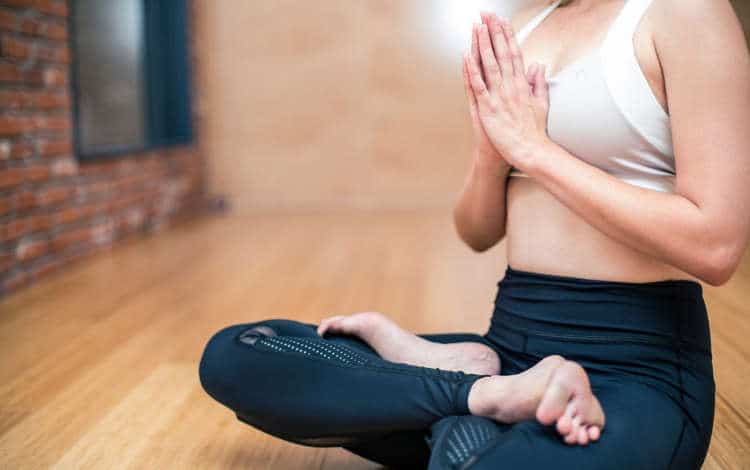
One of the ways you can use meditation to practice mindfulness is through your sense of smell. Simply light up some fragrant Diptyque candles and sit calmly on a yoga mat in a quiet space in your home.
Alternatively, you can use a quality room spray or diffusers with your favorite smell during your meditation sessions. Lavender, ginger, peppermint, and spruce are just some of the many scents you might love.
2. Take a Walk Outside
Apart from being a great exercise, walks are an awesome way to distract yourself from overwhelming thoughts. Especially if you’re surrounded by nature in your home, a simple walk could be all you need to successfully practice mindfulness.
Pay attention deeply to every move your body makes as you walk and bring your thoughts deeply into the moment.
3. Do Some Breathing Exercises Regularly
Here, the main trick is to focus on your breathing as much as possible, taking deep breaths and exhaling for several seconds.
Make sure you are seated in a calm and quiet space, so your thoughts are not distracted from the moment.
This is sometimes called mindful breathing, and it can help you find inner peace. Just three minutes each day will do the trick.
4. Take up One Task at a Time
Oftentimes, we take up a lot of tasks at once in the name of being super productive. Well, this may sometimes lead to mental chaos, distraction, anxiety, and even stress.
Simply taking one task at a time can help you regain focus, and you might find yourself accomplishing more than before.
5. Act Mindfully
Finally, being mindful also involves focusing on your actions.
Try to remind yourself to act mindfully and be aware of your surroundings each time you take on day-to-day tasks such as driving, cooking, or even eating.
Practicing mindful eating is also specifically beneficial to your well-being in many ways. When eating during your lunch break, for instance, let your thoughts focus on the taste, flavors, texture, and smell of the food.
Choose healthier meals, only eat when you have to, and take the right portions.
In a day and age when our minds are constantly bombarded by stressful situations, living mindfully is quite paramount. This means practicing mindfulness whenever you get the chance, at work or at home. Luckily, the above few tips should get you started on your journey to improving your mental and spiritual wellbeing through mindfulness and meditation.
A Final Thought on Practicing Mindfulness at Home
Mindfulness is not about achieving a special state or perfect calm. It is about developing a steady, friendly awareness of the present moment, even when life feels busy or imperfect. Practicing mindfulness at home helps build this awareness where it matters most: in daily routines, relationships, and personal time.
Small, consistent practices are often more effective than occasional intense efforts. When mindfulness becomes part of ordinary life, it naturally supports inner balance, clearer thinking, and a more grounded way of responding to everyday challenges.
About the Author
Sarilaya Cada is a freelance content writer. She is interested in a wide range of fields, from project management, to education, to engineering.
Is your mind constantly filled with thoughts?
Learn simple ways to quiet mental chatter and regain inner calm.
Discover the guide: Calm Down the Nonstop Chatter of Your Mind