
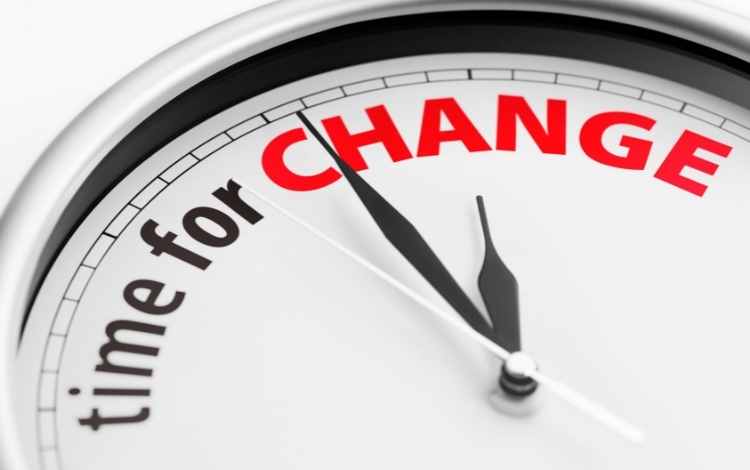
Change is one of the few certainties in life, yet most of us treat it as something to dread rather than embrace. Many people prefer staying in their comfort zone, repeating familiar routines, and avoiding disruption because the unknown feels scary and unpredictable.
Whether it’s switching careers, moving to a new city, adopting healthier habits, or starting new relationships, change challenges us mentally, emotionally, and physically. But resisting change often keeps us stuck in the same patterns, holding back personal growth and fulfillment.
Why Change Feels Scary and Why That’s Normal
At its core, fear of change isn’t a sign of weakness; it’s a natural human response. Our brains are designed to seek safety and predictability. The familiar feels secure; the unfamiliar feels risky. In fact, psychologists describe the fear of change as something rooted in a mix of anxiety about the unknown and uncertainty about outcomes.
For many people, that fear shows up as procrastination, self-doubt, or clinging to old routines even when those routines no longer serve them.
Instead of seeing change as a threat, it helps to understand that everybig shift startswith a small step. Change doesn’t happen in a single leap. It begins with tiny choices we make every day, like taking a different route to work, eating a healthier breakfast, or reaching out to someone new.
Steps to Transform Fear into Growth
1. Start Small and Build Confidence
These small changes help build confidence and resilience over time. Try simple actions like changing your morning routine, taking a short walk daily, or learning a new skill one hour a week. These micro-changes give your brain repeated experiences of “change that works,” which makes it easier to take bigger leaps later.
2. Reframe Change as an Opportunity, not a Threat
Download this free 3-step guide and start building focus and inner calm in just 5 minutes a day.
**Get the Free Guide**
According to psychological research and simple observation, viewing change as an opportunity increases resilience and reduces anxiety. A helpful exercise is to list what you stand to gain from a change alongside what you fear losing. In many cases, the gains far outweigh the losses.
3. Take Action Within Your Control
Experts suggest focusing your energy on actions clearly within your sphere of influence, things like researching your career options, practicing new habits, or connecting with supportive mentors.

Are You Focused on What You Don't Want Instead of What You Do?
Learn how to use creative visualization, the law of attraction, and the power of your mind to stop drifting and start deliberately creating the life, success, and abundance you truly want.
Discover the Book →Taking action creates a change. Passivity does not bring change. At worst, it can bring changes that you do not welcome.
4. Practice Consistent Mindset Work
When you regularly reflect on your progress and process, not just outcomes, change becomes less intimidating and more empowering.
Related: The Confidence Mastery Course
How Resisting Change Quietly Drains Your Energy and Potential
When people avoid change, they often believe they are choosing safety. In reality, resistance to change slowly drains mental energy, motivation, and confidence.
Staying in situations that no longer inspire growth, whether a job, routine, mindset, or relationship, creates inner tension. You may feel tired without a clear reason, lose enthusiasm for goals you once cared about, or sense that life is moving forward while you remain stuck in place.
This happens because growth is a natural human need. When growth is blocked, frustration and dissatisfaction begin to accumulate beneath the surface.
Many people mistake this feeling for stress, bad luck, or external pressure, when in fact it comes from ignoring the inner urge to evolve. The longer the change is postponed, the louder this discomfort becomes.
Ironically, avoiding change often requires more effort than embracing it. Maintaining the status quo demands constant mental justification: “It’s not the right time,” “Things might get worse,” or “I should be grateful for what I have.” These thoughts consume attention and weaken inner clarity.
Over time, this mental strain can lead to anxiety, irritability, or a sense of emptiness.
On the other hand, even small steps toward change release energy. When you take action, no matter how modest, you regain a sense of control and direction. This could be as simple as learning something new, setting a boundary, updating a daily habit, or allowing yourself to imagine a different future without immediately dismissing it.
Change does not require dramatic decisions or sudden life overhauls. It begins with honesty: recognizing when something no longer aligns with who you are becoming.
By listening to that inner signal and responding gradually, you restore momentum, confidence, and a sense of purpose. Instead of draining you, life starts feeding you again with curiosity, motivation, and renewed inner strength.
Willpower and self-discipline grow with training.
Here are simple methods to strengthen them each day.
The Growth that Awaits on the Other Side
Accepting change doesn’t mean you won’t feel fear. It means you don’t let fear call the shots. Each time you step beyond what is comfortable, you train your brain to tolerate uncertainty and grow stronger.
Whether you’re aiming to switch careers, build healthier habits, travel somewhere new, or deepen your relationships, the process of change ultimately expands your capacity for resilience, self-confidence, and fulfillment.
Change isn’t just something that happens to us — it’s something we learn to participate in consciously.
When you begin breaking change into manageable steps, embrace uncertainty with curiosity instead of dread, and reflect on the progress you’ve made, even if it’s small, you transform fear into momentum and move toward a life that reflects your intentions and potential.
If you wish to make greater progress and to have the inner strength to do things and use them in your everyday life, I recommend reading my book, Strengthen Your Willpower and Self-Discipline.
Do You Start Things but Struggle to Finish Them?
Motivation comes and goes — but discipline stays. Learn practical techniques to strengthen your willpower and self-discipline, beat procrastination, and follow through on your goals.
Discover the Book →Refined and updated with practical wisdom for 2026 by Remez Sasson.
If you find this content helpful, we would truly appreciate it if you mention or link to SuccessConsciousness.com.
About the Author
 Remez Sasson is the founder of SuccessConsciousness.com, a global resource established in 2001. With decades of personal experience and 25 years of professional digital publishing he has written many articles, and created 11 eBooks, and 16 digital courses. His teachings have helped readers worldwide cultivate inner peace, self-mastery, and inner strength, empowering them to effectively shape their lives.