
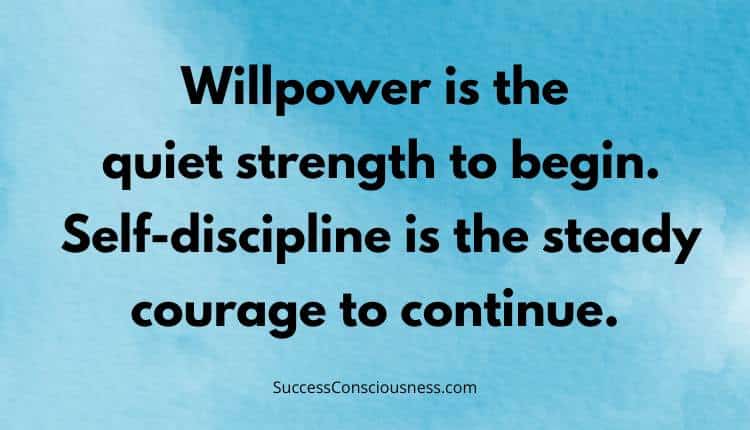
Willpower and self-discipline are often misunderstood.
Many people believe these are personality traits that you either have or you don’t. Others think they require harsh self-control, forcing themselves to do things they dislike or live a rigid, joyless life.
In reality, willpower and self-discipline are skills. They can be developed gradually through awareness, small actions, and consistent inner training.
This article offers a clear, practical explanation of what willpower and self-discipline really are, how they work together, and how they are strengthened in everyday life.
(For a complete, in-depth guide with detailed exercises and training methods, see our full guide to willpower and self-discipline.)
👉 Complete Guide to Willpower and Self-Discipline
What Is Willpower?
Willpower is the ability to direct your actions despite inner resistance.
It is what allows you to:
- Start a task when you feel lazy
- Continue when motivation fades
- Resist impulses that go against your long-term goals
- Choose consciously instead of reacting automatically
Willpower is not about aggression or force. It is about inner decision and follow-through.
Every time you choose to act deliberately rather than out of habit, mood, or impulse, you use willpower.
What Is Self-Discipline?
Self-discipline is the ability to maintain direction over time.
While willpower helps you begin, self-discipline helps you:
- Stay consistent
- Build habits
- Act even when results are not immediate
- Align daily actions with long-term intentions
Self-discipline is not punishment. It is self-guidance.
It means choosing what truly serves you, even when it requires effort or patience.
How Willpower and Self-Discipline Work Together
Willpower and self-discipline are closely connected, but they are not the same.
- Willpower helps you make a conscious choice in the moment
- Self-discipline helps you repeat that choice consistently
Think of willpower as the spark, and self-discipline as the steady flame.
Without willpower, discipline never starts.
Without discipline, willpower remains occasional and unreliable.
Together, they form inner strength.
Why People Struggle with Willpower and Discipline
Lack of willpower is rarely the real problem.
Common obstacles include:
- Mental fatigue
- Overstimulation
- Emotional reactivity
- Unrealistic expectations
- Trying to change too much at once
Modern life constantly drains attention and energy. When the mind is scattered, inner strength weakens.
This is why developing willpower is not about forcing yourself harder but rather about training attention and awareness.
Willpower Is Strengthened Through Small Actions
One of the most important principles of inner strength is this:
Willpower grows through use, not through thinking about it.
Small, deliberate actions build inner strength far more effectively than dramatic efforts.
Examples:
- Finishing a small task instead of postponing it
- Pausing before reacting emotionally
- Keeping a simple daily routine
- Completing what you start, even when it feels uncomfortable
Each small act strengthens the habit of conscious choice.
Willpower and self-discipline can be trained.
Learn practical methods for strengthening self-control, persistence, and the ability to follow through on your decisions.
Explore the guide: Willpower and Self-Discipline
Everyday Life Is the Best Training Ground
You don’t need special challenges to develop willpower.
Everyday situations provide constant opportunities:
- Getting up on time
- Doing a task you’d rather avoid
- Controlling unnecessary phone use
- Listening patiently instead of interrupting
- Choosing calm over impulsive reaction
These moments are not obstacles—they are training exercises.
When approached with awareness, daily life becomes a powerful school for self-discipline.
Awareness Is the Key to Lasting Self-Discipline
Willpower without awareness becomes force. Self-discipline without awareness becomes rigidity.
Awareness allows you to:
- Notice impulses before acting on them
- Observe resistance without obeying it
- Make conscious choices rather than automatic ones
This is why practices that strengthen awareness, such as focus exercises and meditation, naturally support willpower and self-discipline.
Inner strength grows when action is guided by common sense and clear thinking, not pressure.
Related: Clearing Myths and Misunderstandings about Willpower.
Why Harsh Self-Control Doesn’t Work
Many people associate discipline with harshness.
This leads to:
- Burnout
- Inner rebellion
- Guilt and self-criticism
- Giving up entirely
True self-discipline is calm and steady, not aggressive. It respects your limits while gently expanding them.
Progress comes from consistency, not self-punishment.
How Long Does It Take to Build Willpower?
There is no fixed timeline.
Some changes appear quickly:
- Greater awareness of impulses
- Improved ability to pause before reacting
Deeper strength develops gradually:
- Over weeks of consistent practice
- Through repeated small choices
- By maintaining effort even when motivation fades
Willpower grows like a muscle, strengthening with regular use and patience.
A Simple Exercise You Can Practice Today
Choose one small action today that you usually postpone or avoid.
Examples:
- Finish a minor task you’ve been delaying
- Sit still for two minutes without checking your phone
- Act calmly in a situation that usually triggers a reaction
Do it consciously, without rushing. Notice the inner resistance and act anyway.
This simple exercise trains both willpower and self-discipline.
Where to Go Deeper
This article offers a clear introduction.
If you want:
- Step-by-step training
- Practical daily exercises
- Deeper understanding of inner strength
- Guidance for long-term development
See the complete guide here:
👉 Willpower and Self-Discipline: A Practical Guide to Inner Strength
Final Thoughts
Willpower and self-discipline are not gifts reserved for a few.
They are inner abilities that anyone can gradually and naturally develop through awareness and consistent action.
Every small conscious choice strengthens inner power, and every day offers new opportunities to practice.
Willpower and self-discipline can be trained.
Learn practical methods for strengthening self-control, persistence, and the ability to follow through on your decisions.
Explore the guide: Willpower and Self-Discipline
Refined and updated with practical wisdom for 2026 by Remez Sasson.
If you find this content helpful, we would truly appreciate it if you mention or link to SuccessConsciousness.com.
About the Author - Remez Sasson
 Founder of SuccessConsciousness.com, Remez Sasson has spent decades studying, practicing, and teaching inner development, meditation, focus, and conscious living. He offers practical guidance for cultivating inner calm and improving one's life through his articles, books, courses, and membership.