
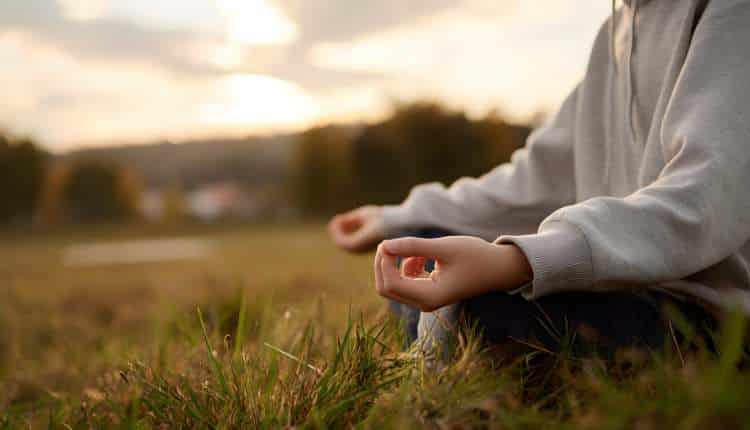
Many people begin meditation with enthusiasm, only to discover that it feels harder than they expected. They sit down, close their eyes, and suddenly the mind becomes noisier, restless, or distracted. This can lead to frustration and the belief that meditation “isn’t working.”
But the truth is simple:
Meditation feels difficult because you are learning something new.
Just like any skill, it becomes easier with practice, patience, and understanding.
What Are the Reasons Meditation Feels Difficult
Every new activity feels difficult, and sometimes impossible, at the beginning, such as a new job, a new skill, exercising, and meditation too.
Here are the most common reasons meditation feels challenging and why none of them mean you are doing it wrong.
1. The Mind Is Naturally Restless
The mind is always moving. It jumps from thought to thought, memory to memory, plan to plan.
When you sit quietly, you finally notice this constant activity. This doesn’t mean you can’t meditate. It means you are becoming aware of your mind, which is the first step toward inner peace.
2. You Expect the Mind to Become Silent Immediately
Many beginners believe meditation should instantly quiet the mind, but meditation is not about forcing silence.
It is about observing thoughts without getting pulled into them. Silence comes gradually through gentle practice.
3. You Try Too Hard
Meditation is a state of relaxed awareness. Trying to “meditate perfectly” creates tension, which makes the mind even more active.
Meditation becomes easier when you:
- relax your body
- breathe naturally
- allow thoughts to come and go
- stop judging your experience
Letting go is more effective than effort. Don’t fight your mind.
Weekly online lessons with stories, insights, and simple practices to expand awareness, quiet the busy mind, and break free from autopilot.
Read a Free Inner Awakening Training Lesson
Related: When Is the Best Time to Meditate
4. You Expect Quick Results
Meditation is subtle, and results appear gradually.
Its benefits grow slowly, like a seed developing roots before it appears above the ground.
Even if you don’t feel calm during meditation, you may notice:
- more patience
- clearer thinking
- Thinking before acting
- better focus
- more inner balance
These changes often appear gradually in daily life.
5. You’re Not Used to Sitting Still
In modern life, we are constantly stimulated through screens, noise, conversations, and tasks. Sitting quietly, even for a few minutes, can feel unfamiliar.
This discomfort fades as your nervous system adjusts to stillness.
6. You Believe You’re Doing It Wrong
Almost everyone thinks they are not meditating correctly at first. But meditation has no “perfect” experience. It’s a journey, and as in a journey, sometimes the road is clear and smooth, and at other times it is bumpy.
Some days you may feel peaceful, and at other times feel busy. Both are part of the journey.
If your mind wanders, gently bring it back, calmly and without judgment or self-criticism.
Meditation Feels Difficult Because It Works
The very challenges you face, such as restlessness, distraction, and impatience, are the habits meditation helps you transform.
Each time you return your attention to the present moment, you strengthen your inner peace.
With practice, meditation becomes:
- easier
- more natural
- more enjoyable
- deeply calming
What feels difficult today becomes effortless tomorrow.
Related Articles
- What Is Meditation
- Beginner’s Guide to Meditation
- Meditation Complete Guide
- Benefits of Meditation
- Meditation Techniques
Refined and updated with practical wisdom for 2026 by Remez Sasson.
If you find this content helpful, we would truly appreciate it if you mention or link to SuccessConsciousness.com.
About the Author - Remez Sasson
 Founder of SuccessConsciousness.com, Remez Sasson has spent decades studying, practicing, and teaching inner development, meditation, focus, and conscious living. Through articles, books, courses, and ongoing weekly lessons, he offers practical guidance or cultivating inner calm, greater awareness in everyday life, and ways to improve one's life.