
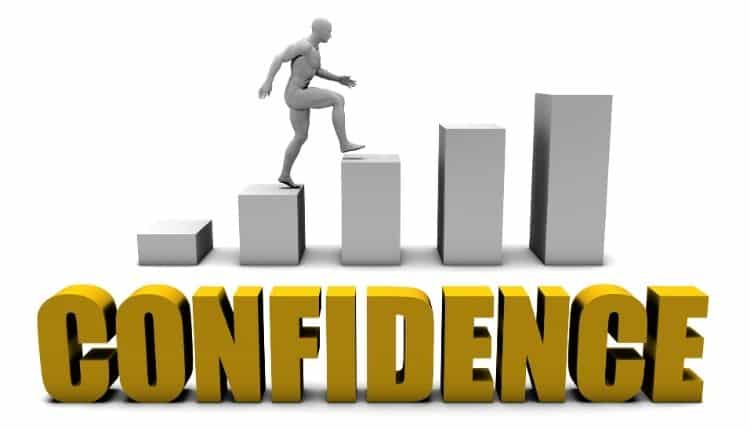
Most people think confidence arrives like a green light. First you understand the lesson, then you feel ready, then you act. In real life, it usually happens in the opposite order. You study the thing, fumble through the first attempt, feel awkward for a while, and only later realize you have become someone who can handle it.
That pattern shows up everywhere. It shows up when you start speaking up in meetings, when you return to school, when you learn to budget, and when you finally deal with a stressful money situation instead of avoiding it.
For some people, that might mean researching options like credit card debt relief after months of feeling frozen. The turning point is not a sudden burst of bravery. It is a small decision to move.
What makes this hard is that many of us were taught to treat confidence like proof. We think, “If I were truly capable, this would feel easy already.” But confidence is not proof before the fact. It is evidence collected afterward. It grows from repetitions, not from waiting.
The Real Job of Action
Action does something a lesson alone cannot do. A lesson gives you information. Action gives you memory. Once you actually do the thing, your brain has a lived example to file away. It stops treating the challenge like a total mystery and starts recognizing it as an experience you survived.
That is why small steps matter so much. A tiny action can seem almost too simple to count, but it counts more than overthinking ever will. Making one phone call, opening one statement, asking one question, or practicing one uncomfortable conversation can shift your internal story from “I cannot do this” to “I have started doing this.”
Download this free 3-step guide and start building focus and inner calm in just 5 minutes a day.
**Get the Free Guide**
This is especially true with problems that carry shame. When people feel embarrassed, they often wait for motivation to appear first. But action is often what creates motivation. Once you take a step, your mind stops wrestling with an invisible monster and starts working with real information.
Why Hesitation Feels So Convincing
Hesitation is sneaky because it sounds responsible. It says you need a little more time, a little more research, a little more certainty. Sometimes that is true. Often, though, hesitation is just fear wearing a sensible outfit.
The brain prefers familiar discomfort over unfamiliar effort. It would rather keep you in a loop you understand than push you into a situation where you might feel clumsy. That does not make you lazy or broken. It makes you human. But it also means you cannot always trust your comfort level as a guide.
In fact, some of the most important adult skills are learned while feeling unready. Budgeting, negotiating, setting boundaries, rebuilding credit, changing careers, and speaking honestly about stress all tend to feel messy at first. The discomfort is not a sign to stop. It is usually a sign that learning is happening.
Confidence Is Built Through Receipts
One helpful way to think about confidence is as a stack of receipts. Every action gives you one. You made the appointment. You read the terms. You asked for help. You compared options. You followed through even though you were nervous. These are receipts that prove you can function under pressure.
This matters because self-doubt has a short memory and a loud voice. If you do not notice your actions, fear will tell you that you have done nothing. So it helps to track progress in concrete ways. Write down what you handled this week. Save the checklist. Mark the calendar. Confidence grows faster when you can see evidence of effort.
That evidence can also interrupt all or nothing thinking. You do not need to become fearless to become capable. You just need enough proof that you can take the next step.
When the Lesson Becomes Personal
A lesson becomes powerful when it stops being abstract. Reading advice about money, habits, or stress can be useful, but it remains theoretical until it meets your real life. That is the moment when knowledge starts changing your behavior.
For example, many financial problems become less overwhelming when they are broken into specific actions. The Consumer Financial Protection Bureau’s debt collection resources help explain rights and next steps in plain language. Information like that becomes meaningful when you use it, not just when you skim it.
The same goes for emotional growth. Practical guidance on building self confidence from the American Psychological Association matters most when it inspires behavior you can repeat.
The lesson is not complete when you understand it. It is complete when you can live it.
A Quieter Form of Courage
We tend to celebrate dramatic transformations, but most confidence is built in private. It is built in the moment you stop avoiding the spreadsheet. It is built when you admit you need a plan. It is built when you try again after an imperfect first attempt. None of that looks glamorous, but it is how people actually change.
This quieter kind of courage deserves more respect. It does not need a big personality. It does not require natural boldness. It simply asks for participation. Show up, do the next clear thing, and let repetition do its work.
If you are waiting to feel fully confident before you begin, you may be asking confidence to do a job that belongs to action. Start smaller than your fear says is worthwhile. Let the first step be unimpressive. Let it be practical. Let it count.
Because that is how a lesson turns into confidence. Not when you finally feel certain, but when you collect enough lived proof to know you can keep going.
Do You Start Things but Struggle to Finish Them?
Motivation comes and goes — but discipline stays. Learn practical techniques to strengthen your willpower and self-discipline, beat procrastination, and follow through on your goals.
Discover the Book →Explore Our Courses