
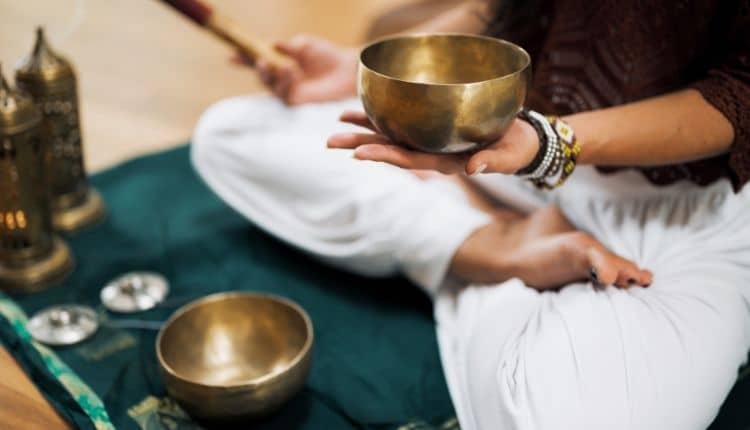
For thousands of years, people across Himalayan regions have used singing bowls during meditation, ceremonies, and rituals. This guide focuses on practical ways to explore that tradition today, in your own home.
Begin by choosing an instrument and preparing calm surroundings. Then learn how to create sound and pair each tone with mindful breathing. No musical background is needed.
Notice the bowl’s tone and gentle vibration. Let each one give your mind a clear place to rest. This simple practice can make meditation feel more approachable, even if you are new to it.
Listeners respond to sound in different ways. In 2016, Goldsby, Goldsby, McWalters, and Mills published an observational study on sound meditation. Their work offers research context, not a promise of results. Some people may find its sounds soothing, while others may not.
Use this guide to explore what suits you. With steady breathing and patient attention, you can build a personal routine at home that may ease stress and support present-moment awareness.
The aim is simple: notice your experience and make room for calm and peace. Over time, you can decide which benefits matter most to you.
Understand Tibetan Singing Bowls and How They Produce Sound
Download this free 3-step guide and start building focus and inner calm in just 5 minutes a day.
**Get the Free Guide**
These instruments come from Himalayan regions spanning Tibet, India, Bhutan, and Nepal, though their exact origin remains unknown. Traditional singing bowls are also known as resonant metal instruments. Their history links closely to Tibetan Buddhist culture.
Explore Himalayan roots and meditation traditions
For thousands of years, these bowls have served meditation, ceremonies, and rituals. Himalayan artisans have passed down methods for shaping and playing them through generations. These practices connect sound traditions to mindfulness and peace.

Learn how a mallet creates tones and vibrations
Traditional metal alloys may include bronze, copper, iron, and other metals. Shape, thickness, and material all affect the sound. Some types create bright sounds; others produce deeper resonance. Modern sound therapy can use these tones for relaxation, but it is not a substitute for medical care.
Strike the bowl using a mallet, and it begins to vibrate. Those vibrations produce a tone that can shift as the instrument’s construction changes.
- Each bowl has its own sound profile.
- Gentle listening can support focused meditation.
Choose a Singing Bowl that Suits Your Practice
Start by comparing materials and tone, then consider where you plan to use the instrument. Singing bowls vary in shape, thickness, and weight, so each type can create a distinct sound. No single option suits every listener.
Compare metal, crystal, and other types
Metal alloys such as bronze, copper, and tin can create rich, deep tones. Quartz crystal produces clear, resonant sounds, while aluminum offers lighter weight and brighter notes. Material and thickness both affect tone.
Consider how size affects tone and resonance
Larger instruments usually create lower tones and may suit group yoga or meditation. Smaller designs can be easier to carry or store. Shape also changes how sound travels through the room.
Listen for a comfortable sound
Before choosing, listen to several options. Try each singing bowl at a gentle volume, using its mallet as intended. Pick sounds that feel calming and easy to focus on; personal comfort matters more than claims about energy.
| Type | Typical sound | Useful consideration |
| Metal | Rich, deep tones | Often made from bronze, copper, or tin |
| Quartz crystal | Clear, resonant sounds | Listen for a tone that feels comfortable |
| Aluminum | Brighter sound | Lightweight, modern option |
Prepare a Quiet Space for Meditation
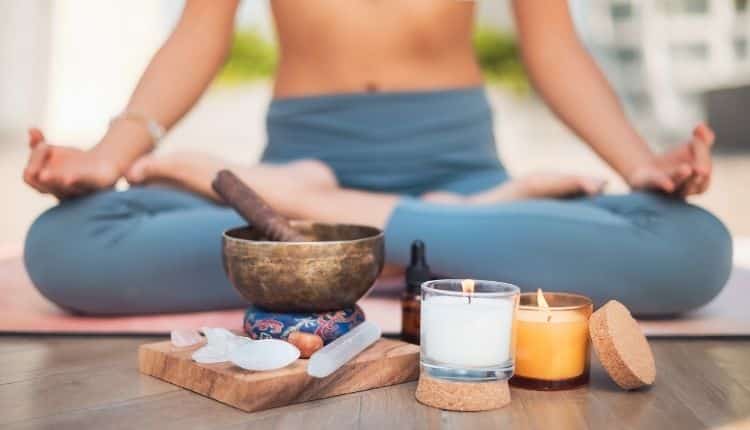
Choose a calm spot where noise and interruptions are limited. Natural light or a softly lit room can help the space feel restful. Keep scents neutral or pick one you find pleasant, so nothing pulls focus from your session.
Settle into a comfortable position
Sit cross-legged or use a chair. Keep your spine upright but relaxed, and let your shoulders drop. Comfort helps your body stay at ease during meditation, yoga, or relaxation.
- Take several unhurried breaths to settle your attention and support mindfulness.
- Place the bowl on the floor or a cushion, or hold it securely in your non-dominant hand.
- Adjust your posture until you feel steady and comfortable.
There is no perfect setup. Make small changes until the space supports your practice and feels welcoming. This simple preparation can create a calmer state of mind and a more focused sound experience.
| Choice | Simple option | Purpose |
| Lighting | Natural or dim | Creates a restful mood |
| Seating | Floor cushion or chair | Supports relaxed posture |
| Placement | Floor, cushion, or hand | Keeps the instrument secure |
How to meditate with a Tibetan singing bowl
Once your space feels settled, focus on handling the instrument safely. Secure placement helps each strike ring freely and keeps your attention on the sound, not on balancing the bowl.
Secure the instrument before playing
Rest small bowls on your fingertips or place them on a cushion. For larger bowls, choose the ground if it feels steadier. If holding one, keep it level in your non-dominant hand, then check that it cannot slip.

Start gently and build the sound
Hold the mallet near its end. Tap the rim at roughly 45 degrees, using light contact rather than force. Pause and listen as the tone and vibrations fade. A gentle first strike sets an unhurried pace for meditation.
Keep the tone steady
- Touch the mallet to the outer rim and move it in a slow circle.
- Use even pressure and guide the motion from your wrist, not your whole arm.
- Adjust speed and pressure in small steps until the sound stays clear.
If the rim does not respond, ease up and try again. Let the sounds guide your pace; never force the mallet or instrument. Steady movement matters more than volume.
Pair the Bowl’s Sound with Mindful Breathing
When rim-circling feels smooth, let your breath follow the mallet’s path. Inhale as it travels through the first half of its circle, then exhale during the second half. This easy rhythm links listening, attention, and body awareness without adding effort.
Keep each breath natural. You do not need to match every turn or draw out an exhale. If timing feels strained, release the pattern and breathe at your own pace. Steady attention matters more than perfect timing.
During singing bowl meditation, a clear tone can give attention an easy point of return. When you use singing bowls, let each tone support—not control—your breathing.
When thoughts pull focus, return gently to the next inhale, the next exhale, or the ongoing sound. Breath and tone can serve as two meditation anchors. Together, they may help some people settle into relaxation or deep relaxation and reach a more settled meditative state. Keep this practice gentle and let the sound fade at its own pace.
Join The Path to Awakening — A practical online meditation course that guides you step by step to inner peace, heightened awareness, and awakening beyond daily distractions.
Explore The Online Meditation Course
Use Sound Awareness to Return to the Present Moment
Let each lingering tone offer your attention a clear place to rest. During meditation, notice how sound begins, shifts, and fades. This simple practice can bring your mind back to what is happening now.
Notice the tone, vibrations, and sensations in your body
Close your eyes if that feels comfortable. Keep them open if you prefer to feel secure. As singing bowls ring, notice vibrations and other sensations in your body. There is no need to judge them as right or wrong.
If thoughts pull your mind away, return to the next tone or the steady feeling of sitting. You can use singing bowls as gentle cues for mindfulness. Let the mallet rest between strikes, and allow each sound to fade on its own.
The aim is attentive observation, not perfect sound. Stay curious about your experience. Relaxation may follow, but you do not need to force any meditative state. Give the moment room to unfold, and let peace come in its own time.
| What you notice | Where to focus | Gentle return |
| Changing tone | Sound as it fades | Listen to the next note |
| Physical sensations | Vibrations in your body | Notice without judging |
| Wandering thoughts | Steady sitting posture | Return to the present |
Adapt Your Singing Bowl Practice to Daily Life
You can fit sound meditation into small pockets of your day. Choose simple steps that suit your schedule, then keep the routine flexible. A session may last 5 to 30 minutes; stop sooner if that feels better.
Use a short session to unwind or set an intention
Try a brief morning pause to set an intention before the day begins. During stress, one gentle tone can mark a moment to reset. At night, use the instrument as part of a calm wind-down routine.
“Keep the routine small enough to return to.”
Consistency matters more than length. Short practices can feel easier to maintain than long sessions, and may support focus, calm, and relief from daily pressure.
Incorporate bowl sounds into yoga or relaxation
If sound suits your yoga, play it during savasana or another restorative pose. Keep the volume comfortable, and let the tone fade before moving. Notice how your mind and energy respond; each experience can guide future practice.
There is no required schedule. Choose moments that feel useful, and adjust the routine as your needs change.
| Moment | Simple use | Suggested focus |
| Morning | Brief sound session | Set an intention |
| Stressful moment | Pause and listen | Ease tension |
| Yoga or bedtime | Restorative pose or wind-down | Support relaxation |
Understand Potential Benefits and Practice Thoughtfully
Sound can support calm, but each person responds differently. Some listeners report less stress and deeper relaxation during meditation. Treat these as possible benefits, not promises of health change.
Explore how sound may support relaxation and stress relief
Research offers useful context. In 2016, Goldsby, McWalters, and Mills published an observational study on singing bowls in the Journal of Evidence-Based Complementary & Alternative Medicine. In 2020, Complementary Therapies in Medicine published a systematic review of health effects (volume 51, article 102412). These studies do not prove that sound treats any condition.
Some people use singing bowls as part of mindfulness or yoga. Yet claims about mood, blood pressure, or other health outcomes need more evidence. Sound practices should not replace medical advice or proven care.
Choose comfort over pressure to continue. Stop if sounds or vibrations feel upsetting. Sound sensitivity or certain neurological conditions may make this practice disruptive. If unsure how it may affect your health, ask a medical professional first.
Conclusion
For centuries, Tibetan Buddhist communities have used singing bowls in contemplative practices rooted in Himalayan tradition. Their tones remain part of singing bowl meditation today.
Material and size shape each instrument’s resonance, yet personal comfort matters most. Prepare quiet space, set it securely, strike gently, then circle its rim using even pressure. Pair each tone with natural breathing. If thoughts drift, return to fading sound or sensations in your body.
Keep sessions brief and comfortable, and let your response guide future practice. These instruments are also known for their distinct tones, but sound-based practices do not suit everyone. Stop if discomfort arises; seek professional advice when health concerns affect your choices.
Join The Path to Awakening — A practical online meditation course that guides you step by step to inner peace, heightened awareness, and awakening beyond daily distractions.
Explore The Online Meditation Course
While guest articles offer varied perspectives, our core work focuses on helping you build genuine inner strength, mental focus, and self-mastery from the inside out.
👉 Explore Our Practical Courses for Inner Transformation