
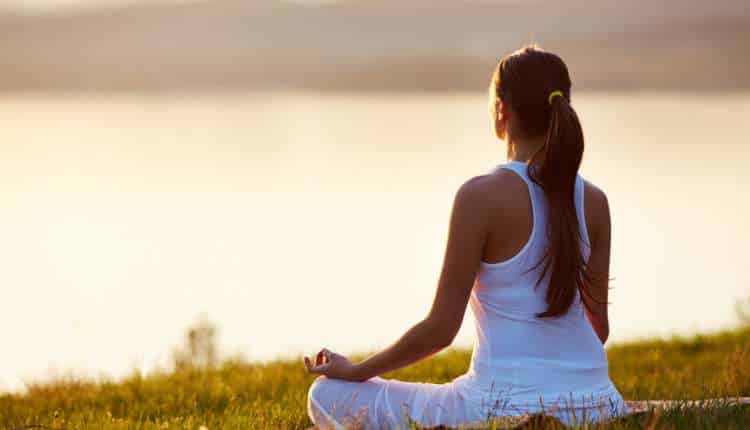
Research shows hobbies can slash stress levels by 68%, and they’re much more than just fun activities. Life throws moments at us when our thoughts spiral, and anxiety takes over, making it hard to stay centered and peaceful.
The right relaxing hobbies make the most important difference to your daily wellbeing. These peaceful activities do more than fill your time. They give your mind a break, keep you grounded, and add purpose to your life.
Art hobbies like painting or punch needle boost your mood naturally by lowering stress hormones and releasing endorphins. Time spent in nature-based activities lowers cortisol levels and boosts happiness.
In this piece, we’ll look at five mindful activities that help you slow down, clear your mind, and boost your mental health. These practices are a great way to get more from your self-care routine, whether you have five minutes or an hour to spare.
1. Needlework and Sewing
The simple act of working with thread and fabric through needlework and sewing can lead to mental wellness. These traditional crafts stand out among art hobbies because they combine creativity, rhythm, and meditative qualities.
Beautiful items emerge from this practice, while the repetitive motions and focused attention naturally lead to mindfulness and emotional balance. For beginners interested in textured, looped designs, exploring the best punch needle kits for beginners offers an easy way to enjoy the calming benefits of needlework from the start.
What Sewing and Needlework Do for Your Mind
Needle arts create a special cognitive experience that activates multiple brain areas at once.
Research shows these crafts stimulate areas that control fine motor skills, spatial reasoning, and creativity. This helps maintain cognitive function as we age. Learning different stitches and patterns is a great way to improve memory skills, especially when you have aging-related concerns.
The sort of thing I love about needlework is how it helps achieve what psychologists call a “flow state.” Time seems to dissolve in this psychological space as your mind focuses on the present moment. Needlework creates quiet spaces that our busy modern lives rarely offer.
This flow experience mirrors mindfulness meditation effects and helps lower cortisol levels while calming the nervous system.
Needlework helps with emotional release and cognitive development. Many practitioners use it to express feelings they find hard to put into words.
The British Journal of Occupational Therapy published studies showing 81% of participants felt happier from crafting, and 54% noted better moods.
Social benefits add another dimension. While needlework can be done alone, it brings people together in stitching circles, quilting groups, and online communities.
Weekly lessons with stories, insights, and practical guidance to help you step beyond ordinary routines and awaken deeper awareness in daily life.
👉 Read a Sample Inner Awakening lesson
These gatherings let people share stories and challenges. Research shows people in crafting communities feel less lonely and more connected. This “emotional communality” creates shared consciousness through embroidery.
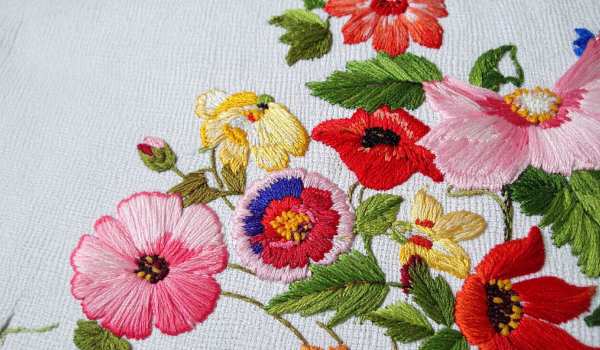
How Sewing and Needlework Calms Your Thoughts
Several mechanisms explain why needlework produces such a deep sense of calm:
- Rhythmic stitching lowers cortisol: The repeated motion has a soothing effect that helps interrupt anxious thought patterns and centers the mind.
- Tactile sensations ground your awareness: Soft fabric and thread provide gentle sensory input that anchors you in the present moment.
- Subtle sounds support relaxation: The quiet click of the needle moving through fabric acts like white noise and helps the nervous system settle.
- Parasympathetic activation creates physical calm: Needlework naturally stimulates “rest and digest” functions that regulate breathing, blood pressure, and heart rate.
- Attention shifts away from worry: Focused handwork redirects mental energy away from stress and breaks cognitive rumination cycles.
- Research confirms strong mental health benefits: A 2024 scoping review found overwhelmingly positive effects, with participants reporting reduced anxiety, less stress, and better moods.
2. Yoga
Yoga ranks among humanity’s oldest ways to unite body and mind through mindful movement, breathing, and meditation.
This ancient practice began in India thousands of years ago. It serves not just as exercise but as a path to balance in daily life. The Sanskrit word “yoga” means “to join” or “to unite,” showing its role in bringing together physical postures, breathwork, and meditation to promote overall wellbeing.
What Is Yoga
Yoga brings together spiritual techniques that integrate mind, body, and spirit to reach oneness with the universe.
Most people in the West know yoga mainly as Hatha Yoga. This style focuses on physical postures (asanas), breathing exercises (pranayama), body gestures (mudra), and internal cleansing (shatkarma). These elements work together to build life-force energy and create harmony between mind and body.
Today’s yoga classes put more emphasis on physical poses, but these movements have deeper meaning.
Unlike regular workouts, yoga doesn’t focus on looks or competition. Traditional yoga studios skip mirrors completely. This helps students look inward instead of worrying about how their poses appear. Students learn mindfulness that stays with them long after class ends.
People of any age, weight, fitness level, or religious background can practice yoga. From relaxed Hatha and restorative sessions to energetic Vinyasa and hot yoga classes, everyone can find a style that fits their needs.
How Yoga Calms Your Thoughts
Yoga supports mental quiet through a combination of physiological and neurological changes:
- Activates the parasympathetic nervous system: This shift reduces the “fight or flight” response and brings the body into a calmer internal state.
- Raises levels of GABA: Increased levels of this calming neurotransmitter help stabilize mood and ease anxiety.
- Softens limbic system reactivity: Reduced activation of emotional brain centers improves emotional control during stressful moments.
- Strengthens brain regions tied to focus and memory: MRI studies show thicker hippocampus and cortex regions in yoga practitioners, supporting clarity and attention.
- Breath awareness reduces mental noise: Focusing on slow, steady breathing interrupts negative thought spirals and restores mental balance.
- Strong scientific support across multiple studies: Recent research shows yoga improves social connectedness, self-compassion, emotional expression, and overall wellbeing.

3. Journaling
Journaling gives us a safe space to put our deepest thoughts on paper without anyone judging us. This simple act of writing can work wonders for our mental health, making it one of the most powerful yet easy hobbies you can pick up.
While physical activities focus on body movement, journaling taps into our minds and helps us understand our complex emotions better.
What is Journaling
The heart of journaling lies in writing down personal thoughts, feelings, and experiences to understand ourselves better and process emotions. It’s not just about keeping a diary – it’s a way to make sense of life’s challenges with better clarity. Mental health experts mainly use two types: expressive writing and gratitude journaling.
You’ll spend about 15-20 minutes with expressive writing, putting your deepest thoughts and feelings on paper over several days. This helps you work through tough emotions and experiences.
On the flip side, gratitude journaling focuses on life’s bright spots, helping you notice and appreciate the good things each day brings.
The beauty of journaling lies in how flexible it is. You can write in a notebook, type on your computer, record voice notes, or even draw. This lets you pick whatever method feels right for you.
Your journal doesn’t need perfect grammar or beautiful handwriting. It’s about being honest with your feelings rather than writing perfect sentences. This freedom to write without pressure creates a safe space where you can truly be yourself, making it perfect for anyone looking for mental peace.
How Journaling Calms Your Thoughts
Journaling supports emotional clarity and stress relief through several interconnected processes:
- Externalizing thoughts creates clarity: Putting feelings into words organizes emotional experiences and reduces overthinking.
- Cognitive processing reduces anxiety: Writing moves emotional information from the limbic system to analytical brain regions, easing internal tension.
- Improved physical wellbeing through stress release: People who journal about difficult experiences recover faster and report better overall health.
- Activation of the parasympathetic system: Slow, reflective writing naturally regulates heart rate, breathing, and blood pressure.
- Strengthens neural pathways for emotional regulation: Regular journaling enhances circuits involved in problem-solving and emotional management.
- Well-documented research support: Studies show reduced depression symptoms, lower anxiety, and improved overall wellbeing after consistent journaling practice.
4. Painting and Drawing
Visual creativity stands out as one of the most available yet powerful hobbies for mental health, going beyond the traditional yoga mat and journal page.
Millions find deep calm and self-connection through simple mark-making on paper. A research study by Drexel University revealed that 75% of participants had lower cortisol levels after just 45 minutes of art-making. This shows why painting and drawing deserve a place in your mindfulness toolkit.
What is Painting and Drawing
Painting and drawing are visual self-expression forms that involve multiple senses at once. Artists create images using various tools, from pencils and pens to brushes loaded with watercolors or acrylics. These creative outlets shine because of their remarkable availability. Anyone can start with minimal supplies and no prior experience.
Art therapists often use painting and drawing in treatment plans. These activities encourage deep reflection and emotional processing that words alone cannot reach. They work as visual languages to communicate internal experiences and offer ways to express feelings that might otherwise stay buried inside.
Drawing and painting welcome imperfection, unlike hobbies that need specific training. One artist said, “It’s not about talent; it’s very personal, giving yourself permission to play, explore, and express”. This freedom from perfectionism creates a safe space where emotions flow naturally.
How Painting and Drawing Calm Your Thoughts
Visual creativity encourages mental ease through sensory focus and emotional expression:
- Repetitive motion activates the parasympathetic system: Drawing and painting regulate vital functions and create a calm physical state.
- Flow state helps quiet mental noise: Focused mark-making brings attention fully into the present moment, pushing stress into the background.
- Supports emotional release: Visual expression allows feelings to be processed without words, reducing internal pressure.
- Stimulates cognitive regions linked to clarity: Creative work activates brain areas responsible for memory, perception, and spatial reasoning.
- Focus builds mindfulness naturally: Observing shapes, colors, and movement cultivates steady awareness.
- Research shows clear stress-reducing effects: Studies found that art-making lowers cortisol, eases anxiety, and boosts wellbeing even in brief sessions.
5. Reading
Reading stands out as a uniquely available yet powerful mental activity among practices that support mental wellbeing. Books become silent friends that let you escape daily stress and transport your mind to different worlds with just pages and imagination.
What Is Reading as a Hobby
Reading as a hobby goes beyond just consuming words. It’s a way to think over and participate in texts that bring joy, knowledge, or contemplation. Unlike passive entertainment, your brain actively participates to create an experience that naturally leads to mindfulness.
This relaxed hobby shines through its flexibility. You might dive into fiction that gets your imagination going, non-fiction to grow personally, poetry that touches your emotions, or inspirational quotes for quick motivation.
Reading’s value as a hobby comes from how easy it is to start. You don’t need special equipment or a dedicated space, just a book and some quiet time. On top of that, it costs very little compared to other hobbies. Library cards give you free access to thousands of books, which makes it budget-friendly in the long run.
How Reading Calms Your Thoughts
Reading promotes calm through immersion, cognitive focus, and physiological relaxation:
- Activates the parasympathetic nervous system: Quiet concentration slows the body’s internal rhythms and creates a peaceful state.
- Rapidly reduces stress levels: University of Sussex research shows a 68% drop in stress after just six minutes of reading.
- Deep reading immerses the mind fully: Becoming absorbed in a story interrupts mental noise and quiets intrusive thoughts.
- Strengthens empathy and emotional understanding: Connecting with characters and ideas supports emotional regulation.
- Improves sleep and long-term wellbeing: Reading before bed helps the brain transition into rest and reduces nighttime stress.
- Supported by extensive research: Studies consistently link reading with lower anxiety, improved mood, and better cognitive resilience.
Comparison Table
| Hobby | Main Benefits for Mental Health | Key Mechanisms for Calming | Time Recommended for Beginners | Essential Starting Materials | Scientific Evidence Mentioned |
| Needlework & Sewing | Better cognitive function, improved mood, less loneliness | Creates flow state, lowers cortisol levels, activates parasympathetic system | Not specifically mentioned | Foundation fabric, embroidery hoop, punch needle tool, thread | 81% reported increased happiness, 54% noted better mood |
| Yoga | Better mood, less anxiety, improved cognitive function | Activates parasympathetic nervous system, raises GABA levels, reduces limbic system activity | 5-10 minutes daily for two weeks | Comfortable space, yoga mat (optional) | Reduces stress, increases cortical thickness, improves memory and attention |
| Journaling | Emotional clarity, less anxiety, better self-awareness | Activates multiple brain areas, creates new neural pathways, triggers rest response | 5-10 minutes daily | Notebook/digital device, pen | 68% of journaling interventions prove effective for wellbeing, reduces mental distress |
| Painting & Drawing | Less stress, emotional expression, better mindfulness | Activates parasympathetic system, creates flow state, helps process emotions | 10 minutes daily | Paper, simple drawing tools (pens, pencils, markers) | 75% showed lowered cortisol levels after 45 minutes |
| Reading | Less stress, better sleep quality, improved empathy | Activates parasympathetic system, creates meditative state, encourages mindfulness | 6 minutes minimum | Books, comfortable reading space | Reduces stress levels by 68%, benefits shown after just 6 minutes |
Conclusion
Mindful hobbies offer simple but powerful ways to improve mental wellbeing. The practices explored here, yoga, journaling, needlework, painting, and reading, share the ability to activate the parasympathetic nervous system, quiet stress responses, and create moments of calm in everyday life.
Their accessibility makes them ideal for anyone seeking balance, even with limited time or experience.
Research consistently shows how quickly these activities reduce stress and improve mood. Small routines practiced regularly make the biggest difference, whether it’s six minutes of reading or a brief drawing session before bed.
These hobbies become meaningful acts of self-care that help you navigate pressure, reset your mind, and reconnect with yourself. Choosing even one can create lasting improvements in your daily wellbeing.
A quiet mind is closer than you think.
Learn gentle methods to soften thoughts and regain inner peace.