
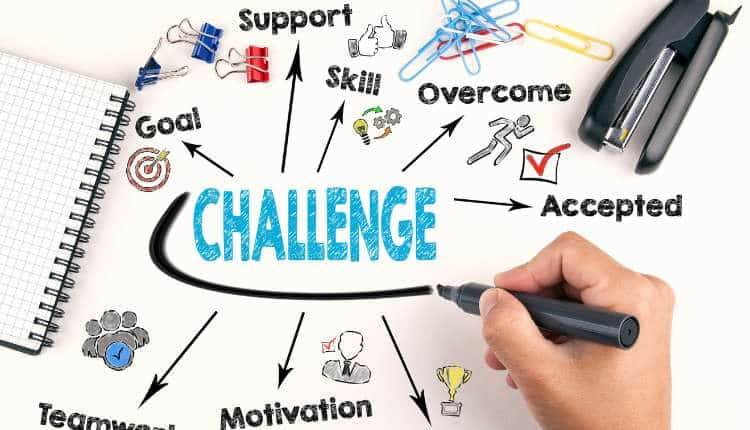
Unexpected difficulties can disrupt daily life in ways that feel overwhelming and disorienting. Whether the challenge comes from a natural event, a personal crisis, or a sudden financial setback, the path toward stability often begins with small, deliberate actions.
While recovery rarely happens overnight, a structured and thoughtful approach can help individuals and families rebuild confidence, restore routines, and move forward with greater resilience.
Acknowledging the Impact and Taking Stock
The first practical step toward stability is acknowledging the emotional and practical impact of the situation. Sudden challenges often create a sense of uncertainty, making it difficult to focus on the next steps.
Taking time to assess immediate needs, such as safety, housing, finances, or health, helps bring clarity to what must be addressed first.
Writing down priorities can be particularly useful during stressful periods, as it provides a tangible plan rather than leaving concerns swirling in the mind.
It is equally important to recognize emotional responses. Feelings of fear, frustration, or sadness are natural during periods of disruption. Giving yourself permission to process these reactions allows for a more grounded approach to decision-making.
Stability is not only about restoring physical circumstances but also about regaining a sense of personal control and emotional balance.
Creating a Short-Term Action Plan
Once immediate needs have been identified, developing a short-term action plan can help reduce uncertainty. This plan does not need to be complicated. Instead, it should focus on achievable steps that address pressing concerns.
For example, contacting service providers, arranging temporary accommodations, or securing essential supplies can make a significant difference in restoring daily functionality.
Breaking tasks into manageable pieces prevents the recovery process from feeling overwhelming. Completing even small objectives can give a sense of progress and motivation.
Setting realistic timelines is also important, as rushing decisions may create additional challenges. By pacing recovery efforts, individuals are more likely to make thoughtful choices that support long-term stability.
Seeking Reliable Support and Resources
Support systems play a critical role in handling sudden challenges. Reaching out to friends, family members, or local community organizations can provide both practical help and emotional reassurance.
Assistance may come in many forms, from transportation and childcare to guidance on navigating unfamiliar processes.
In situations involving large-scale disruption, structured support services may also be available. Exploring options such as financial aid programs, temporary housing initiatives, or counseling services can open doors to meaningful assistance.
Understanding how to access these resources, such as learning how to get disaster assistance from the Red Cross, can help move from uncertainty to informed action.
Rebuilding Daily Routines
Stability often grows from the return of predictable routines. Even in the midst of change, establishing consistent daily habits can create a sense of normalcy. This might involve setting regular meal times, maintaining sleep schedules, or creating designated periods for work and relaxation.
Routine provides structure, which can be especially comforting during periods of upheaval.
Reintroducing familiar activities also helps rebuild confidence. Whether it is exercise, creative hobbies, or social interactions, engaging in meaningful pursuits reinforces the idea that life can continue to hold purpose and enjoyment despite unexpected setbacks.
Gradually, these routines contribute to a renewed sense of control and direction.
Boost your motivation and stay driven until you achieve your goals. Learn practical, proven strategies to master motivation with the Online Course for Getting Motivated.
👉 Start Your Motivation Journey
Managing Financial and Practical Responsibilities
Sudden challenges often bring financial strain or logistical complications. Addressing these concerns early can prevent further instability. Reviewing budgets, prioritizing essential expenses, and communicating with lenders or service providers can help create temporary flexibility during difficult times.
It may also be beneficial to explore alternative income sources or temporary work opportunities. While such measures may not fully resolve financial pressures, they can provide short-term relief and restore a sense of agency.
Additionally, organizing important documents and maintaining clear records of communications ensures that practical matters remain manageable rather than becoming additional sources of stress.
Focusing on Long-Term Resilience
As immediate challenges begin to ease, attention can shift toward building long-term resilience. This involves reflecting on lessons learned and considering how future risks can be mitigated.
Developing emergency plans, strengthening savings habits, and cultivating supportive networks are all practical ways to enhance preparedness.
Resilience also includes maintaining personal well-being. Prioritizing mental and physical health supports sustained recovery and prevents burnout.
Activities such as mindfulness practices, regular exercise, and open communication with trusted people contribute to lasting stability. Over time, these habits transform the recovery experience into an opportunity for personal growth and renewed confidence.
Moving Forward with Confidence
While sudden challenges can disrupt even the most carefully planned lives, they also reveal the strength and adaptability people possess.
Stability is rarely achieved through a single action but through a series of thoughtful steps that address both immediate needs and future goals.
By acknowledging the impact of disruption, creating practical plans, seeking support, and rebuilding routines, you can navigate uncertainty with greater clarity and determination.
Ultimately, recovery is a journey shaped by persistence and resourcefulness. Each positive action, no matter how small, contributes to a stronger foundation for the future. Through patience and consistent effort, stability becomes not just a return to normalcy but a pathway toward a more resilient and prepared life.
Boost your motivation and stay driven until you achieve your goals. Learn practical, proven strategies to master motivation with the Online Course for Getting Motivated.
👉 Start Your Motivation Journey