
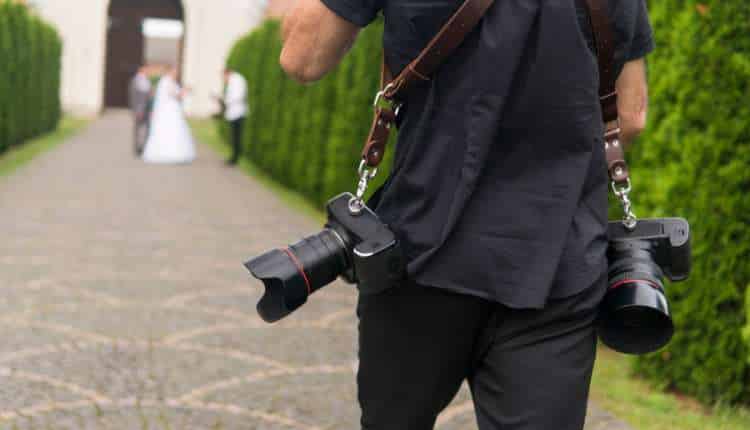
Wedding photography is often described as a creative profession, but on the wedding day itself, it is closer to an endurance sport. A photographer may spend 8 to 12 hours carrying multiple camera bodies, kneeling for low-angle shots, standing during ceremonies, sprinting between locations, and then sitting for extended editing sessions afterward.
While much attention is given to camera equipment and creative technique, one factor receives far less discussion: chronic back pain and its impact on mental presence.
For wedding photographers, back pain is not simply a physical inconvenience. It can quietly erode concentration, decision-making, creativity, and client interaction. Understanding this connection is essential for protecting both long-term health and professional performance.
Why Back Pain Affects More Than Your Body
Research consistently shows that chronic pain competes for cognitive resources. When the brain is processing ongoing discomfort, it has fewer resources available for attention, memory, and complex decision-making.
Studies published in pain and neuroscience journals have found that people experiencing persistent pain often perform worse on tasks involving concentration and working memory.
For wedding photographers, this creates a significant challenge. During a fast-moving wedding day, there is no opportunity to pause and reset. Missing a fleeting expression, failing to anticipate a key moment, or becoming distracted during family portraits can directly impact the final gallery.
Download this free 3-step guide and start building focus and inner calm in just 5 minutes a day.
**Get the Free Guide**
Many photographers assume they are simply tired or mentally drained. In reality, unmanaged back pain may be consuming mental bandwidth throughout the day.
Recognizing the Hidden Signs
Back pain does not always present as severe discomfort. Often, its effects appear in subtle ways:
- Feeling unusually irritable during long weddings
- Struggling to stay engaged during speeches
- Becoming less proactive in directing groups
- Relying heavily on familiar compositions rather than creative experimentation
- Experiencing decision fatigue earlier in the day
These signs often indicate that physical strain is affecting mental performance.

Do Stress, Worries, and Other People's Behavior Rob You Of Your Peace Of Mind?
Inner peace is not reserved for monks — it is a skill anyone can develop. Learn practical techniques to release stress, stop dwelling on the past, and stay calm and composed in everyday life.
Discover the Book →Reduce Load Before the Wedding Starts
Many photographers focus on recovery after an event. A more effective strategy is to reduce spinal stress before the wedding begins. For example, carrying two professional camera bodies with heavy lenses can easily add several kilograms of weight to the upper body. Traditional neck straps concentrate this load through the cervical spine and upper back.
A dual-camera harness distributes weight across both shoulders and the torso. The key is adjusting the harness so the cameras rest near the hips rather than the lower ribs. This lowers the center of gravity and reduces continuous tension through the trapezius muscles.
Photographers should also review their gear selection before each event. If a lens has not been used at the previous five weddings, it may not need to be carried for the entire day.
Removing even one kilogram of unnecessary equipment can significantly reduce cumulative spinal loading over a ten-hour event.
Use Movement Snacks Instead of Traditional Breaks
Many professionals hear advice about taking movement breaks but receive little guidance on what to do during them.
A highly effective approach is the “60-second movement snack.” Every time guests transition between major events, such as moving from the ceremony to the reception, perform the following sequence:
- Place both hands on your hips and gently extend backward ten times.
- Perform ten standing calf raises.
- Pull your shoulder blades together and hold for five seconds, repeating five times.
- Walk briskly for thirty seconds before resuming photography.
This combination counteracts the forward-flexed positions photographers repeatedly adopt while shooting and carrying equipment. The entire sequence takes approximately one minute but helps restore spinal mobility and improve circulation.
Learn about Moments of Joy, a five‑lesson journey to uncover the quiet, steady happiness that’s already within you. No big leaps required, just simple steps.
👉 Discover the Journey to Daily Happiness!
Protect Your Back During Editing Sessions
Many photographers assume wedding-day shooting is the primary source of back pain. In reality, editing can be equally damaging.
A common mistake is using a laptop positioned too low on a desk. When the screen sits below eye level, the head naturally tilts forward.
Research suggests that even a modest forward head posture significantly increases the load placed on the cervical spine. Instead, raise the top of your monitor so it sits at or slightly below eye level when seated upright. If using a laptop, place it on a stand and connect an external keyboard.
A practical setup involves:
- Elbows resting at approximately 90 degrees
- Feet flat on the floor
- Knees level with or slightly lower than the hips
- Screen positioned roughly an arm’s length away
Equally important is changing position regularly. Remaining in a perfectly ergonomic posture for four hours is often worse than alternating between several reasonably good positions.
Build Resilience Between Weddings
The strongest backs are not necessarily the most flexible. They are often the most resilient.
For wedding photographers, exercises that improve endurance are particularly valuable because weddings require sustained effort rather than short bursts of strength. Three evidence-based exercises can be performed at home:
1. Bird Dogs
Begin on hands and knees. Extend the opposite arm and leg while keeping the torso stable. Hold for five seconds before switching sides.
Perform 2 sets of 8 repetitions per side.
2. Side Planks
Lie on one side and support your body using your forearm and feet. Hold for 15 to 30 seconds.
Perform 3 holds per side.
3. Glute Bridges
Lie on your back with knees bent. Lift your hips until your body forms a straight line from shoulders to knees.
Perform 3 sets of 12 repetitions.
These exercises target core stability and posterior-chain endurance, both essential for long wedding days.
When Self-Management Is No Longer Enough
Even with better equipment choices, movement strategies, and strength training, some photographers continue to experience recurring back pain that affects both their physical comfort and ability to stay focused during long wedding days.
In these situations, it may be worth exploring professional interventions such as spinal decompression therapy. This non-surgical treatment is designed to gently reduce pressure on spinal discs and surrounding structures, which may help individuals experiencing pain linked to disc-related conditions.
For wedding photographers, addressing the root cause of ongoing discomfort can be particularly valuable because chronic pain does not simply affect mobility. It can also influence concentration, reaction time, decision-making, and creative engagement throughout an event.
Seeking treatment before symptoms become severe may help photographers maintain both their physical endurance and their professional performance over the long term.
Mental Presence Is a Physical Skill
Wedding photographers often invest heavily in cameras, lenses, marketing, and education. Yet one of the most important professional assets is the ability to remain fully present throughout the wedding day.
Chronic back pain does not simply affect comfort. It influences focus, creativity, communication, and the ability to anticipate meaningful moments.
By reducing equipment strain, incorporating targeted movement throughout the day, improving editing ergonomics, and building physical resilience between weddings, photographers can protect both their health and their creative performance.
The result is not just a stronger back. It is a clearer mind, greater engagement with clients, and a better ability to capture the moments that matter most.

Does Your Mind Jump From One Thing to Another, Making It Hard to Get Things Done?
Focus is a skill you can train. Learn practical techniques and exercises to sharpen your attention, resist distractions, and get more done — in any area of your life.
Discover the Book →While guest articles offer varied perspectives, our core work focuses on helping you build genuine inner strength, mental focus, and self-mastery from the inside out.
👉 Explore Our Practical Courses for Inner Transformation