
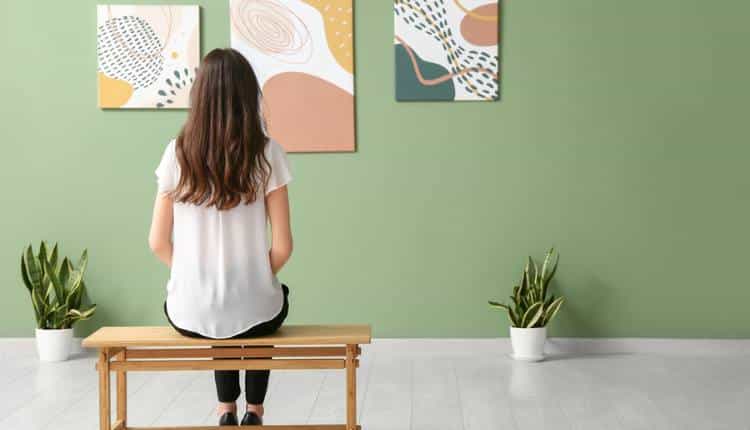
Art does more than fill empty walls – it can reduce your stress hormone levels by up to 60 percent just by looking at certain kinds. People usually pick wall art based on looks alone, but research shows these choices can affect our mood, energy, and mental health.
The colors in your wall art shape your mental state naturally. Blues and greens bring relaxation and peace. Yellow and orange tones can make you happier and help you connect with others. Nature-themed artwork helps people reconnect with the outdoors and brings better emotional balance while reducing stress.
This piece shows how different art styles – from abstract to pop art – can change your living space and boost your wellbeing.
The Science Behind How Wall Art Affects Your Brain
Wall art does more than catch your eye—it creates an experience through complex neural pathways that shape your thoughts, emotions, and physical well-being. Studies in environmental psychology show that your surroundings directly affect your mood, focus, and energy levels throughout the day.
How Your Brain Processes Visual Art
Your brain handles art in fascinating ways. It breaks down visual information into basic elements like color, luminance, shape, and motion. Looking at a painting triggers both emotional and cognitive responses at once.
Brain imaging research reveals that specific colors can release neurotransmitters like dopamine, which creates feelings of pleasure and reward.
Bold contrasts in abstract art light up brain areas tied to problem-solving and emotional processing.
This activity happens through a network that includes the prefrontal cortex for making judgments, reward circuits that create pleasure, and sensory areas that sharpen specific features.
The Link Between Art and Stress Reduction
Science strongly supports art’s ability to reduce stress. Research shows that looking at artwork can lower cortisol levels, ease anxiety, and boost mood.
A visit to an art gallery reduced participants’ salivary cortisol (a stress hormone), while blood pressure dropped consistently across several studies.
Art offers more than quick stress relief. Studies reveal that creative activities can cut GP visits and hospital stays by up to 37%. This shows art’s potential as a health tool.
Emotional Responses Triggered by Color and Form
Colors in wall art shape both the room’s atmosphere and your emotional state. Each color creates specific emotional responses:
- Blue: Triggers calming brain pathways that reduce stress and create peace
- Yellow: Activates brightness receptors linked to happiness and creativity
- Red: Creates intensity and energy, making it perfect for social spaces
Emotional contagion explains why art’s mood becomes your mood. Warm-colored paintings excite you, while cool tones help you relax. Your brain even mirrors actions shown in artwork. People who look at paintings of ballerinas often feel like they’re dancing.
These brain processes make your choice of wall art a powerful way to shape your daily mental state and emotional health.
Choosing The Right Art Styles for Emotional Balance
Art styles today do more than just add visual variety; they create unique emotional atmospheres in your home. You can design spaces that boost your mental well-being and meet your emotional needs by choosing specific art styles.
Once you understand your preferred style, you can start choosing pieces that fit each room’s purpose. Finding the best wall paintings for living room spaces or selecting the right macramé for a bedroom or any other area of your home will create a unique and stable atmosphere that supports the mood you want to experience every day.
Warm vs. Cool Tones and Their Effects
The difference between warm and cool colors is one of the most powerful aspects of how we experience color, yet many people don’t fully understand it. Studies show warm colors (red, orange, yellow) and cool colors (blue, green, purple) influence us in distinct ways.
Red grabs attention by increasing heart rate and blood pressure while sharpening focus.
Orange boosts creativity without being aggressive, making it perfect for productive spaces.
Yellow, the brightest warm color, needs careful placement since it can create optimism but cause visual tiredness when overused.
Cool tones work like “evening champagne”are sophisticated in their subtlety. Blue reduces blood pressure and slows breathing naturally. It creates a psychological space that feels both endless and personal.
Green works as “nature’s neutral” and reduces eye strain—a vital benefit in our screen-filled lives—while promoting balance. Purple adds a thoughtful luxury to spaces when used well.
A positive mind creates a positive life.
Learn how to think in ways that lift and empower you.
Abstract Art for Creativity and Introspection
Abstract art works as a mental spark plug that encourages creative thinking through its non-literal approach.
Your brain can’t rely on familiar patterns when looking at abstract compositions. This creates a productive mental challenge that activates the prefrontal cortex, the part responsible for reasoning and imagination.
University of Vienna researchers found that people who regularly look at abstract art show more creativity in their thinking.
Abstract pieces, unlike representational art, let you interpret them personally. This encourages emotional expression, a healing process where hidden feelings surface as you connect with ambiguous images.
Pop Art and Its Energizing Qualities
Pop art’s psychological effects come from its vibrant colors and cultural references. This style makes art more accessible by placing familiar images in unexpected settings, which creates a mental surprise that leads to deeper engagement.
Pop art uses primary colors and repetition strategically, tapping into psychological reinforcement to make its impact more memorable and emotionally powerful.
Nature Scenes for Calm and Mindfulness
Nature in art provides remarkable benefits for your brain. Research shows that looking at nature scenes lowers cortisol levels and activates the parasympathetic nervous system, which slows your heart rate and helps you relax.
Landscape paintings create a sense of expanded space both physically and mentally. Humans naturally seek safety in open views, and this instinct responds even to flat representations.
Nature art excels at balancing visual interest with simplicity. It provides enough stimulation without overwhelming your senses, a quality you need for mental wellness in today’s visually busy world.
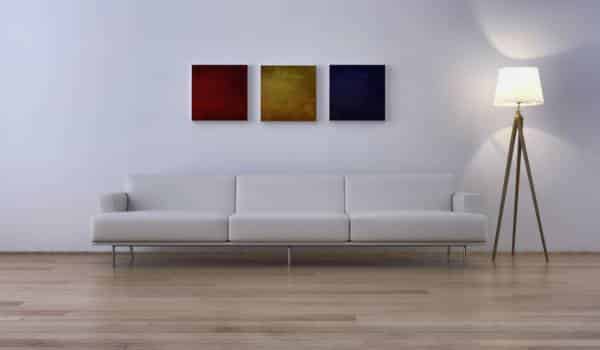
How Wall Art Transforms Your Living Space
Wall art serves as a powerful architectural tool that shapes your living space beyond decoration. The right art choices help build spaces that appeal to your emotional needs throughout your home.
Creating Emotional Zones in Each Room
Rooms don’t have to be uniform environments. Smart art placement creates distinct “mood pockets” within single spaces. A cozy reading nook with warm-toned art helps you relax, while a vibrant corner with energetic pieces ignites creativity.
Smart zoning turns even studio apartments into multi-functional havens where rest, work, and social activities blend without physical barriers. Each zone marks a shift in purpose and supports better routines and mental clarity.
A positive mind creates a positive life.
Learn how to think in ways that lift and empower you.
Using Size and Placement to Influence Mood
Art installations’ strategic positioning changes how we perceive space. Large statement pieces make rooms look bigger and create a natural flow by drawing attention to key areas.
Your space serves both practical and emotional needs. Bedrooms work best with calming watercolors that promote rest, while offices thrive with geometric art that sharpens focus.
Light plays a crucial role, too. Natural light highlights textures, and spotlights add drama to sculptural pieces.
The Deeper Impact of Supporting Original Art
Original art creates an emotional connection that reaches beyond decoration. When you bring independent artwork into your home, you’re inviting a piece of someone’s story—something shaped by personal experiences, intention, and creative vision.
Why independent art feels more personal:
- An artist’s emotional imprint is embedded in each original piece.
- The artwork reflects lived experiences and a unique creative viewpoint.
- Independent art forms a direct relationship between creator and collector through visual storytelling.
- Research shows that original art activates brain regions linked to memory and self-reflection more strongly than reproductions.
- Your space gains a sense of identity that feels genuinely yours.
Emotional authenticity in handmade pieces:
- Handmade art carries emotional depth that resonates with viewers on an intimate level.
- Artists infuse their work with personal meaning, which creates a sense of emotional truth.
- Viewers often feel a subtle “dialogue” with the piece, a connection that grows over time.
- This authentic exchange supports emotional expression by giving unexpressed feelings a visual outlet.
- Such pieces contribute to a calming, emotionally grounded environment.
How supporting artists support your wellness:
- Engaging with original art has been shown to lower stress and reduce cortisol levels.
- Studies indicate benefits for cardiovascular health and immune function.
- Purchasing independent art supports a creative ecosystem that strengthens community wellbeing.
- The emotional satisfaction of supporting a living artist contributes to a sense of purpose and belonging.
- Your home becomes not just decorated, but enriched through meaningful creative investment.
Conclusion
Wall art affects your emotional and neurological responses in meaningful ways. Thoughtfully chosen colors and styles support calm, focus, or creativity depending on the space.
Strategic placement reshapes how you move through a room and influences how it feels. Original art deepens emotional connection and brings authenticity that mass-produced décor cannot offer.
Every piece you bring into your home shapes the atmosphere you live in. Selecting art with intention helps create a space that supports your mental well-being as much as your personal style.
Image source – DepositPhotos
A positive mind creates a positive life.
Learn the simple way to create positive thoughts.